Tel: 0129-4001010 Phone: +91 730 321 5033
Email: cs@absoluteveritas.com

BIS Certification For PORTLAND SLAG CEMENT IS 455:2015
In today's competitive landscape, maintaining market presence without a certified, high-quality product can be challenging. Obtaining a BIS license may also be essential for selling products in the Indian market. To achieve BIS certification and ensure product quality, manufacturers must adhere to the specified Indian standards.
Let's delve deeper into at IS 455:2015 For Portland Slag Cement.
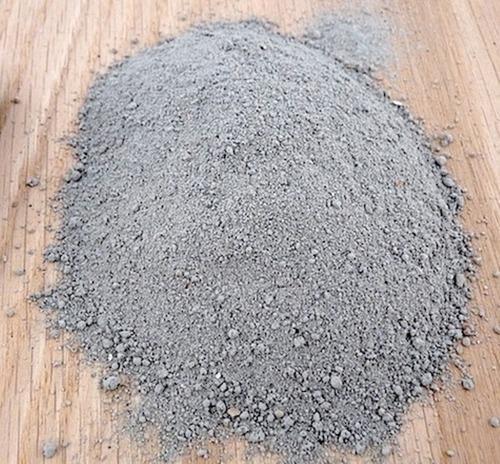
Portland slag cement is created by blending Portland cement clinker, gypsum, and granulated slag in precise proportions and then grinding the mixture to ensure a uniform consistency. Alternatively, it can be made by grinding these components separately before thorough mixing. The final product exhibits physical properties similar to standard Portland cement, with the slag content ranging from a minimum of 25% to a maximum of 65%.
The Portland cement clinker used must comply with all chemical requirements outlined in IS 269:2015 for 33-grade ordinary Portland cement. Additionally, Portland slag cement must meet the physical specifications set forth in IS 455:2015.
This cement has a low heat of hydration and offers enhanced resistance to soil and water. It is particularly effective against high levels of alkali metal sulfates, alumina, iron, and acidic waters, making it an ideal choice for marine applications.
KEY HIGHLIGHTS
| Product Name | PORTLAND SLAG CEMENT |
| Applicable Indian Standard | IS 455:2015 |
| Applicable Certification Scheme | Product Certification Scheme (ISI Mark Scheme) Scheme 1 - Schedule 2 |
| Compliance Requirement | Mandatory |
| QCO Link | Quality Control Order |
Tests
Required Tests for Portland Slag Cement
1.Chemical Test
-
Magnesium oxide
-
Sulper trioxide
-
Loss of ignition
-
Insoluble residue
-
Total chloride content
-
Alkalies
2.Physical Test
-
Fineness
-
Soundness
-
Setting time
-
Compressive strength
Also Read: Quality Control Order For Cement
Benefits of Obtaining ISI Mark for Portland Slag Cement
Here are the key benefits of getting ISI Mark certification:
-
Government Quality Assurance: The ISI mark indicates that a product meets the quality standards established by the government, ensuring compliance and reliability.
-
Mandatory Compliance: It is mandatory for Portland Slag Cement to obtain the ISI Mark. Non-compliance can result in penalties, including material seizure and substantial fines.
-
Enhanced Market Competitiveness: Achieving certification significantly enhances your product's chances of success in the competitive market.
-
Consumer Trust: Consumers are more likely to purchase ISI-certified products, as they guarantee safety and quality. This certification helps build trust and confidence among buyers.
-
Market Benchmarking: Partnering with a respected brand allows you to elevate industry standards and establish a benchmark for your product's market value.
PROCESS FOR BIS ISI MARK CERTIFICATION

INDIAN STANDARD FOR CEMENTS
| IS Number | Product Name |
|---|---|
| IS 1489 (PART 2) | PORTLAND POZZOLANA CEMENT |
| IS 16415:2015 | COMPOSITE CEMENT |
| IS 3466:1988 | MASONRY CEMENT |
| IS 12330 | SULPHATE RESISTING PORTLAND CEMENT |
| IS 1489 (PART 1): 2015 | PORTLAND POZZOLANA CEMENT |
| IS 12600 | LOW HEAT PORTLAND CEMENT |
| IS 269:2015 | ORDINARY PORTLAND CEMENT |
| IS 6909:1990 | SUPERSULPHATED CEMENT |
| IS 8042:2015 | WHITE PORTLAND CEMENT |
| IS 6452:1989 | HIGH ALUMINA CEMENT |
| IS 8043:1991 | HYDROPHOBIC PORTLAND CEMENT |
| IS 8229:1986 | OIL WELL CEMENT |
| IS 15895:2011 | HIGH ALUMINA REFRACTORY CEMENT |
| IS 16993:2018 | MICROFINE ORDINARY PORTLAND CEMENT |
BIS CERTIFICATION PROCESS
Acquiring a BIS license requires a comprehensive review of manufacturing infrastructure, quality control abilities, testing resources, and production procedures. This thorough assessment guarantees that products not only adhere to regulations but also prioritize consumer safety and reliability.
NOTE:
For comprehensive guidance on the BIS ISI Certification process, please explore:
WHY USE ABSOLUTE VERITAS?
Absolute Veritas is a prominent organisation from the private sector of India primarily dealing with the Inspection, Testing, Audits, Certification of products& consulting services to various industries in India and worldwide, ensuring compliance with regulatory standards and industry requirements. Offering a comprehensive range of services including product certification, testing, training, auditing, and compliance services, Absolute Veritas helps manufacturers and importers achieve higher production efficiency and quality standards.
Absolute Veritas (BIS Consultant) will handle end to end pre-registration request, sample preparation, documentation, testing and application process for FMCS Certification
For any questions regarding the most recent update on FMCS registration licenses, please reach out to us via email at cs@absoluteveritas.com
Frequently asked questions (FAQ)
What is Portland Slag Cement (PSC)?
Portland Slag Cement is a blended cement manufactured by intergrinding Portland cement clinker, granulated blast furnace slag, and gypsum in carefully controlled proportions. The presence of slag enhances the cement’s hydration characteristics, resulting in improved durability, reduced permeability, and better resistance to aggressive environmental conditions, making PSC suitable for long-life concrete structures.
How does Portland Slag Cement differ from Ordinary Portland Cement?
Unlike Ordinary Portland Cement, which primarily consists of clinker and gypsum, Portland Slag Cement includes granulated blast furnace slag, which actively contributes to strength development over time. PSC produces denser concrete with lower permeability, offers enhanced resistance to sulphates and chlorides, and generates less heat during hydration, reducing the risk of thermal cracking.
Where is Portland Slag Cement commonly used?
Portland Slag Cement is commonly used in marine structures, coastal constructions, sewage treatment plants, foundations, bridges, dams, basements, water-retaining structures, and industrial buildings. Its durability and resistance to moisture and chemicals make it ideal for structures exposed to aggressive soil and water conditions.
Is Portland Slag Cement suitable for mass concrete works?
Yes, Portland Slag Cement is highly suitable for mass concrete applications because it releases heat more slowly during hydration. This controlled heat evolution minimizes thermal stress and cracking, ensuring better performance in large concrete volumes such as raft foundations, dams, and thick retaining walls.
Does Portland Slag Cement support sustainable construction practices?
Portland Slag Cement supports sustainable construction by utilizing blast furnace slag, an industrial by-product, which reduces clinker consumption and lowers carbon dioxide emissions. Its use promotes eco-friendly cement production while delivering high durability and structural performance.
Share this Post
 LinkedIn
  WhatsApp
  Facebook
 CONTACT US


 ❮
❮