Tel: 0129-4001010 Phone: +91 730 321 5033
Email: cs@absoluteveritas.com

BIS CERTIFICATION FOR HIGH ALUMINA CEMENT IS 6452:1989
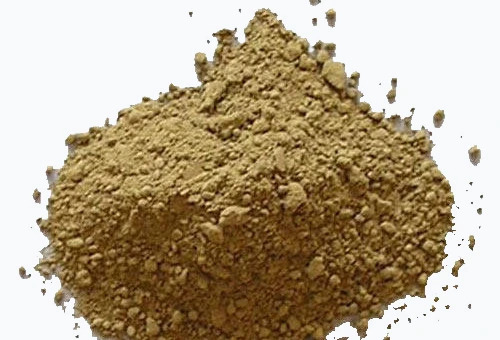
In today's competitive market, maintaining a presence without a certified, high-quality product can be challenging. Selling products in the Indian market may require obtaining a BIS license. To attain BIS certification and ensure product quality, manufacturers must ensure their product adheres to the specified Indian standards.
Let's delve deeper into at IS 6452: 1989 for high alumina cement.
IS 6452: 1989 addresses high alumina cement (HAC) for structural use. This standard delineates the manufacturing prerequisites of HAC and outlines its specific utilization as a structural building material in regions with constant temperatures of 18°C or below. However, its application as a refractory cement is excluded from this standard.
This cement is derived from aluminous and calcareous materials through fusion or sintering, with the resulting clinker ground to meet this standard. Apart from water, no other substances may be introduced during the cement grinding phase. The total alumina content (AL2O3), as determined in accordance with IS 4032: 1985, must be no less than 32 percent by mass.
When subjected to the designated testing methods, high alumina cement must meet the specified physical requirements outlined in the standard. It is the responsibility of the manufacturer to ensure compliance with this standard. An appropriately maintained laboratory is essential for conducting the various tests according to the specified methods.
KEY HIGHLIGHTS
| Product Name | HIGH ALUMINA CEMENT |
| Applicable Indian Standard | IS 6452:1989 |
| Applicable Certification Scheme | Product Certification Scheme (ISI Mark Scheme) Scheme 1 - Schedule 2 |
| Compliance Requirement | Mandatory |
| QCO Link | Quality Control Order |
TESTS
The specified tests must be conducted for high alumina cement
-
Alumina content
-
Fineness
-
Soundness
-
Initial Setting time
-
Compressive Strength
-
Chemical testing
Also Read: Quality Control Order For Cement
Packing of high alumina cement must adhere to the guidelines specified in IS 6452:1989, and labeling and marking should also align with these standards. The BIS Standard Mark (ISI Mark) must be visibly printed on each bag or drum of high alumina cement, or on its label, provided the material meets the specified requirements. Manufacturers are required to obtain a BIS license from the Bureau of Indian Standards to use the standard mark (ISI Mark). This license is granted following a successful evaluation of manufacturing infrastructure, quality control measures, testing capabilities, and production processes.
PROCESS FOR BIS ISI MARK CERTIFICATION

INDIAN STANDARD FOR CEMENTS
| IS Number | Product Name |
|---|---|
| IS 1489 (PART 2) | PORTLAND POZZOLANA CEMENT |
| IS 16415:2015 | COMPOSITE CEMENT |
| IS 3466:1988 | MASONRY CEMENT |
| IS 12330 | SULPHATE RESISTING PORTLAND CEMENT |
| IS 1489 (PART 1): 2015 | PORTLAND POZZOLANA CEMENT |
| IS 12600 | LOW HEAT PORTLAND CEMENT |
| IS 269:2015 | ORDINARY PORTLAND CEMENT |
| IS 6909:1990 | SUPERSULPHATED CEMENT |
| IS 8042:2015 | WHITE PORTLAND CEMENT |
| IS 455:2015 | PORTLAND SLAG CEMENT |
| IS 8043:1991 | HYDROPHOBIC PORTLAND CEMENT |
| IS 8229:1986 | OIL WELL CEMENT |
| IS 15895:2011 | HIGH ALUMINA REFRACTORY CEMENT |
| IS 16993:2018 | MICROFINE ORDINARY PORTLAND CEMENT |
BIS CERTIFICATION PROCESS
Acquiring a BIS license requires a comprehensive review of manufacturing infrastructure, quality control abilities, testing resources, and production procedures. This thorough assessment guarantees that products not only adhere to regulations but also prioritize consumer safety and reliability.
NOTE:
For comprehensive guidance on the BIS ISI Certification process, please explore:
WHY USE ABSOLUTE VERITAS?
Absolute Veritas is a prominent organisation from the private sector of India primarily dealing with the Inspection, Testing, Audits, Certification of products& consulting services to various industries in India and worldwide, ensuring compliance with regulatory standards and industry requirements. Offering a comprehensive range of services including product certification, testing, training, auditing, and compliance services, Absolute Veritas helps manufacturers and importers achieve higher production efficiency and quality standards.
Absolute Veritas (BIS Consultant) will handle end to end pre-registration request, sample preparation, documentation, testing and application process for FMCS Certification
For any questions regarding the most recent update on FMCS registration licenses, please reach out to us via email at cs@absoluteveritas.com
Frequently asked questions (FAQ)
What is High Alumina Cement and how is it different from ordinary cement?
High Alumina Cement (HAC) is a specialty hydraulic cement produced from high-alumina limestone and bauxite, which are fired at high temperatures and then finely ground. Unlike Ordinary Portland Cement, which relies on calcium silicate hydration, HAC’s primary strength comes from the formation of calcium aluminate compounds, giving it rapid strength gain, high resistance to heat and chemical attack, and excellent refractory properties, making it suitable for unique construction scenarios.
What are the primary advantages of using High Alumina Cement?
High Alumina Cement offers several key advantages including very fast setting and high early strength, typically achieving significant strength within hours rather than days. It also performs excellently in high-temperature environments, displays enhanced resistance to thermal spalling and chemical erosion, and provides strong bonding in refractory linings, all of which make HAC ideal for industrial and specialist construction uses.
Can High Alumina Cement withstand high heat and thermal cycling?
Yes, High Alumina Cement exhibits superior performance in high heat and thermal cycling conditions when compared to conventional cements. Its unique chemical composition forms stable aluminate phases that maintain strength and integrity at elevated temperatures, making HAC a preferred choice for furnaces, kilns, incinerators, and heat-resistant concrete applications.
What standards govern High Alumina Cement quality and performance?
High Alumina Cement must meet relevant national and international quality standards that define requirements for chemical composition, setting time, compressive strength, and thermal performance. Meeting these standards ensures consistent product quality, reliable performance, and compliance with structural and industrial specifications in specialized construction projects.
How can project engineers specify High Alumina Cement for specialized construction needs?
Project engineers can specify High Alumina Cement by assessing environmental conditions, temperature exposure, chemical aggressiveness, and required strength profiles for the structure. Selecting HAC for refractory linings, rapid turnaround repairs, or chemically aggressive environments ensures enhanced performance, longer service life, and reduced lifecycle maintenance costs when compared with ordinary cement types.
Share this Post
 LinkedIn
  WhatsApp
  Facebook
 CONTACT US


 ❮
❮