Tel: 0129-4001010 Phone: +91 730 321 5033
Email: cs@absoluteveritas.com

BIS CERTIFICATION FOR SKIMMED MILK POWDER (STANDARD GRADE) IS 13334(PART 1):2014
In today's competitive landscape, maintaining market presence without a certified, high-quality product can be challenging. Obtaining a BIS license may also be essential for selling products in the Indian market. To achieve BIS certification and ensure product quality, manufacturers must adhere to the specified Indian standards.
IS 13334 (Part 1): 2014 pertains to standard-grade skimmed milk powder. This standard outlines the requisites, sampling methodologies, and testing procedures for such products.
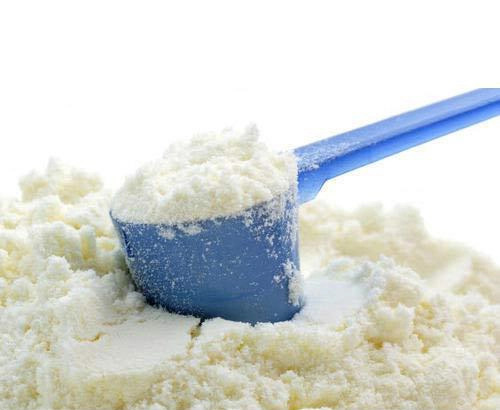
Skim Milk Powder (SMP), alternatively termed as Non-fat Dry Milk, is produced by extracting fat and water from milk while retaining equivalent levels of Lactose, Milk Proteins, and Milk Minerals found in the original milk. Widely employed in food manufacturing, Skimmed milk powder is frequently included in famine relief supplies by humanitarian organizations.
This product is derived from skimmed milk sourced from cow or buffalo, or a blend of both, where water is removed through either spray drying or roller drying methods. The product's color should range from white to light cream with a greenish tinge, and it must be devoid of any extraneous matter, colorants, or flavorings.
Calcium chloride, citric acid, sodium citrate, and sodium salts of orthophosphoric acid and polyphosphoric acid (as linear phosphate) may be incorporated into the final product in quantities not exceeding 0.3 percent by mass. The flavor of the product or reconstituted milk should be enjoyable and pure, and manufacturing and packaging should adhere to hygienic standards.
KEY HIGHLIGHTS
| Product Name | SKIMMED MILK POWDER (STANDARD GRADE) |
| Applicable Indian Standard | IS 13334(PART 1):2014 |
| Applicable Certification Scheme | Product Certification Scheme (ISI Mark Scheme) Scheme 1 - Schedule 2 |
| Compliance Requirement | Mandatory |
| QCO Link | Quality Control Order |
TESTS
The subsequent test must be conducted for standard-grade skimmed milk powder, as per Part 1 standard requirements.
-
Moisture
-
Description
-
Milk protein in Milk SNF
-
Milk Fat
-
Insolubility index
-
Total Ash
-
Titratable Acidity
-
Scorched particles
-
Bacterial count
-
Listeria monocytogenes
-
Anaerobic and Aerobic
-
Coliform count
The product must comply with the standards outlined in the specification. Packaging and labeling must adhere to the guidelines specified in the standard, including the information detailed in clause 6.2 of IS 13334 (Part 1). Additionally, the product may bear the Standard Mark (ISI Mark). Manufacturers are required to acquire a BIS license from the Bureau of Indian Standards to utilize the Standard Mark (ISI Mark). This license is granted following a thorough evaluation of the manufacturer's production facilities, processes, quality control measures, and testing capabilities during an onsite inspection.
Also Read:BIS QCO For SKIMMED MILK POWDER
Benefits of Obtaining ISI Mark for SKIMMED MILK POWDER
Here are the key benefits of getting ISI Mark certification:
-
Government Quality Assurance: The ISI mark indicates that a product meets the quality standards established by the government, ensuring compliance and reliability.
-
Mandatory Compliance: It is mandatory for Sweetened ultra high temperature treated condensed milk to obtain the ISI Mark. Non-compliance can result in penalties, including material seizure and substantial fines.
-
Enhanced Market Competitiveness: Achieving certification significantly enhances your product's chances of success in the competitive market.
-
Consumer Trust: Consumers are more likely to purchase ISI-certified products, as they guarantee safety and quality. This certification helps build trust and confidence among buyers.
-
Market Benchmarking: Partnering with a respected brand allows you to elevate industry standards and establish a benchmark for your product's market value.

BIS CERTIFICATION PROCESS
Acquiring a BIS license requires a comprehensive review of manufacturing infrastructure, quality control abilities, testing resources, and production procedures. This thorough assessment guarantees that products not only adhere to regulations but also prioritize consumer safety and reliability.
NOTE:
For comprehensive guidance on the BIS ISI Certification process, please explore:
WHY USE ABSOLUTE VERITAS?
Absolute Veritas is a prominent organisation from the private sector of India primarily dealing with the Inspection, Testing, Audits, Certification of products& consulting services to various industries in India and worldwide, ensuring compliance with regulatory standards and industry requirements. Offering a comprehensive range of services including product certification, testing, training, auditing, and compliance services, Absolute Veritas helps manufacturers and importers achieve higher production efficiency and quality standards.
Absolute Veritas (BIS Consultant) will handle end to end pre-registration request, sample preparation, documentation, testing and application process for FMCS Certification
For any questions regarding the most recent update on FMCS registration licenses, please reach out to us via email at cs@absoluteveritas.com
Frequently asked questions (FAQ)
What is BIS Certification for Skimmed Milk Powder under IS 13334 (Part 1):2014?
BIS Certification for Skimmed Milk Powder under IS 13334 (Part 1):2014 is a mandatory quality certification issued by the Bureau of Indian Standards to ensure that standard-grade skimmed milk powder meets prescribed safety, compositional, and quality requirements. Products complying with this standard are permitted to carry the ISI Mark, indicating conformity with nationally recognized quality benchmarks.
Is BIS (ISI Mark) certification mandatory for Skimmed Milk Powder in India?
Yes, BIS certification is mandatory for standard-grade skimmed milk powder in India. Manufacturers and importers must obtain a valid BIS license before producing, selling, or distributing the product in the Indian market. Non-compliance may result in penalties, seizure of products, or legal action by regulatory authorities.
What is Skimmed Milk Powder and how is it manufactured?
Skimmed Milk Powder, also known as non-fat dry milk, is produced by removing fat and water from milk while retaining lactose, milk proteins, and essential milk minerals. It is manufactured using skimmed milk sourced from cow milk, buffalo milk, or a blend of both, and processed through spray drying or roller drying methods to achieve the desired powder form.
What are the quality characteristics required for Skimmed Milk Powder under BIS standards?
The product must have a color ranging from white to light cream with a slight greenish tinge and must be free from foreign matter, artificial colorants, and flavoring agents. The flavor of the product or its reconstituted form should be pleasant and clean, ensuring acceptability for food applications.
What tests are required for BIS certification of Skimmed Milk Powder?
Skimmed milk powder must undergo comprehensive testing, including moisture content, description, milk protein in milk solids-not-fat, milk fat content, insolubility index, total ash, titratable acidity, scorched particles, bacterial count, presence of Listeria monocytogenes, aerobic and anaerobic microbial counts, and coliform count. These tests ensure compliance with IS 13334 (Part 1):2014 requirements.
Share this Post
 LinkedIn
  WhatsApp
  Facebook
 CONTACT US


 ❮
❮