Tel: 0129-4001010 Phone: +91 730 321 5033
Email: cs@absoluteveritas.com

BIS CERTIFICATION FOR HIGH ALUMINA REFRACTORY CEMENT IS 15895:2011
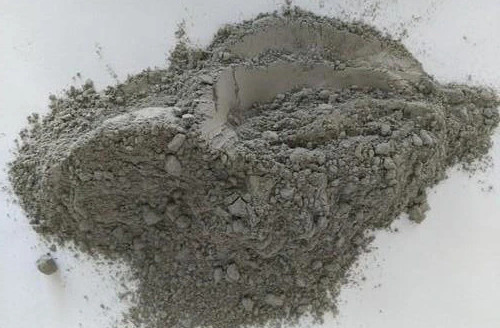
In today's competitive landscape, maintaining market presence without a certified, high-quality product can be challenging. Obtaining a BIS license may also be essential for selling products in the Indian market. To achieve BIS certification and ensure product quality, manufacturers must adhere to the specified Indian standards.
Let's delve deeper into IS IS 15895:2011 for high alumina refractory cement.
IS 15895:2011 encompasses High Alumina Refractory Cement (HAC), detailing its classification, assessment methodology, and characteristics. HAC, classified under this standard, comprises refractory cement with primary hydraulic constituents like monocalcium aluminates and di-aluminates.
This cement is produced through the fusion or sintering of a blend of calcareous materials like limestone, hydrated lime, or dolomitic limestone, along with argillaceous materials such as bauxite, brown or white fused alumina, or calcined alumina.
High alumina refractory cement is categorized into two types according to impurity levels: medium purity and high purity. High purity HACs maintain a total impurity content below 2%, achieved through meticulous raw material selection. Medium purity HACs generally exhibit an alumina content of less than 50%. Both high purity and medium purity grade HACs may encompass a varied range of alumina.
The standard outlines the chemical and physical characteristics of different grades of medium and high purity HACs. To ensure compliance, high alumina refractory cement must undergo testing as per the specified methods. It is essential to maintain a well-equipped laboratory for conducting these tests in accordance with the standard procedures. Manufacturers bear the responsibility of guaranteeing that the cement meets the standards outlined in this specification.
KEY HIGHLIGHTS
| Product Name | HIGH ALUMINA REFRACTORY CEMENT |
| Applicable Indian Standard | IS 15895:2011 |
| Applicable Certification Scheme | Product Certification Scheme (ISI Mark Scheme) Scheme 1 - Schedule 2 |
| Compliance Requirement | Mandatory |
| QCO Link | Quality Control Order |
TESTS
The specified tests must be conducted for High Alumina Refractory Cement
-
Pyrometric cone equivalent (PCE)
-
Fineness
-
Chemical composition
-
Strength
-
Setting time
Also Read: Quality Control Order For Cement
A well-maintained laboratory is essential, where all tests are conducted according to the methods prescribed in the standard.
High alumina refractory cement should be stored in a weather-tight packaging that allows easy access for inspection, safeguards against hydration, and reduces loss during transit. Labeling and marking procedures must align with the standard guidelines. The BIS Standard Mark (ISI Mark) should be visible on each bag or drum of high alumina refractory cement, provided the material meets the specifications. Manufacturers are required to obtain a BIS license from the Bureau of Indian Standards to utilize the standard mark (ISI Mark), which is granted upon successful evaluation of manufacturing infrastructure, quality control, testing capabilities, and production processes.
PROCESS FOR BIS ISI MARK CERTIFICATION

INDIAN STANDARD FOR CEMENTS
| IS Number | Product Name |
|---|---|
| IS 1489 (PART 2) | PORTLAND POZZOLANA CEMENT |
| IS 8229:1986 | OIL WELL CEMENT |
| IS 3466:1988 | MASONRY CEMENT |
| IS 12330 | SULPHATE RESISTING PORTLAND CEMENT |
| IS 1489 (PART 1): 2015 | PORTLAND POZZOLANA CEMENT |
| IS 12600 | LOW HEAT PORTLAND CEMENT |
| IS 269:2015 | ORDINARY PORTLAND CEMENT |
| IS 16993:2018 | MICROFINE ORDINARY PORTLAND CEMENT |
| IS 6909:1990 | SUPER SULPHATED CEMENT |
| IS 455:2015 | PORTLAND SLAG CEMENT |
| IS 8042:2015 | WHITE PORTLAND CEMENT |
| IS 8043:1991 | HYDROPHOBIC PORTLAND CEMENT |
| IS 6452:1989 | HIGH ALUMINA CEMENT |
| IS 16415:2015 | COMPOSITE CEMENT |
BIS CERTIFICATION PROCESS
Acquiring a BIS license requires a comprehensive review of manufacturing infrastructure, quality control abilities, testing resources, and production procedures. This thorough assessment guarantees that products not only adhere to regulations but also prioritize consumer safety and reliability.
NOTE:
For comprehensive guidance on the BIS ISI Certification process, please explore:
WHY USE ABSOLUTE VERITAS?
Absolute Veritas is a prominent organisation from the private sector of India primarily dealing with the Inspection, Testing, Audits, Certification of products& consulting services to various industries in India and worldwide, ensuring compliance with regulatory standards and industry requirements. Offering a comprehensive range of services including product certification, testing, training, auditing, and compliance services, Absolute Veritas helps manufacturers and importers achieve higher production efficiency and quality standards.
Absolute Veritas (BIS Consultant) will handle end to end pre-registration request, sample preparation, documentation, testing and application process for FMCS Certification
For any questions regarding the most recent update on FMCS registration licenses, please reach out to us via email at cs@absoluteveritas.com
Frequently asked questions (FAQ)
Is BIS certification mandatory for High Alumina Refractory Cement in India?
Yes, BIS certification is mandatory for High Alumina Refractory Cement intended for manufacturing, sale, or distribution in the Indian market. Compliance with IS 15895:2011 ensures that the product meets prescribed chemical, physical, and performance standards established by the Bureau of Indian Standards, enabling lawful market access and customer confidence.
What are the key characteristics evaluated under IS 15895:2011?
The standard specifies essential chemical and physical characteristics such as alumina content, impurity limits, fineness, setting time, strength development, and refractoriness. These parameters ensure that High Alumina Refractory Cement delivers consistent performance, high temperature resistance, and structural integrity in furnaces, kilns, and refractory linings.
Why is a well-equipped laboratory important for BIS certification?
A properly maintained laboratory is essential to perform routine and compliance testing as specified in IS 15895:2011. Accurate testing ensures reliable quality control, supports regulatory inspections, and demonstrates the manufacturer’s ability to consistently produce High Alumina Refractory Cement that conforms to BIS standards.
What are the packaging and marking requirements for High Alumina Refractory Cement?
High Alumina Refractory Cement must be packed in weather-tight bags or drums that protect the material from moisture, hydration, and contamination. Each package must clearly display the BIS Standard Mark (ISI Mark), along with product identification details, batch information, and manufacturer particulars, in accordance with IS 15895:2011 guidelines.
How is the BIS ISI certification process carried out for High Alumina Refractory Cement?
The BIS certification process involves submission of an application, verification of documents, factory inspection, sample testing in BIS-recognized laboratories, and assessment of quality control systems. Once compliance with IS 15895:2011 is confirmed, BIS grants a license authorizing the use of the ISI Mark on the product.
Share this Post
 LinkedIn
  WhatsApp
  Facebook
 CONTACT US


 ❮
❮