Tel: 0129-4001010 Phone: +91 730 321 5033
Email: cs@absoluteveritas.com

BIS CERTIFICATION FOR OIL WELL CEMENT IS 8229:1986
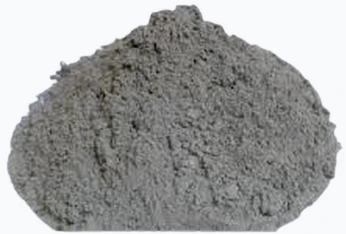
In today's competitive landscape, maintaining market presence without a certified, high-quality product can be challenging. Obtaining a BIS license may also be essential for selling products in the Indian market. To achieve BIS certification and ensure product quality, manufacturers must adhere to the specified Indian standards.
Let's delve deeper into IS IS 8229:1986 for oil well cement.
IS 8229:1986 encompasses oil well cement, addressing nine distinct types utilized for anchoring oil well pipe casings into the surrounding geological formations. The cement is classified into Class A, B, C, D, E, F, G, H, and J based on its intended application.
Oil-well cement in classes A, B, C, D, E, F, C, and H is crafted by grinding clinker consisting of hydraulic calcium silicates. Throughout the cement manufacturing process, only calcium sulphate or a combination thereof may be interground with the clinker or mixed with the ground clinker. However, for cement classes D, E, and F, appropriate set-modifying agents may be interground or mixed during production. Class J cement must adhere to the physical standards outlined in the standard.
When subjected to the designated testing methods, oil-well cement of classes A, B, C, D, E, F, G, and H must fulfill the chemical requirements outlined in the standard. Additionally, the cement must adhere to the physical specifications specified in the standard, and it is the responsibility of the manufacturer to ensure compliance with these requirements. A well-maintained laboratory is necessary for conducting the requisite tests according to the methods specified in the standard.
KEY HIGHLIGHTS
| Product Name | OIL WELL CEMENT |
| Applicable Indian Standard | IS 8229:1986 |
| Applicable Certification Scheme | Product Certification Scheme (ISI Mark Scheme) Scheme 1 - Schedule 2 |
| Compliance Requirement | Mandatory |
| QCO Link | Quality Control Order |
TESTS
The specified tests must be conducted for oil well cement.
-
Insoluble Residue
-
Loss on Ignition
-
Magnesium Oxide
-
Fineness
-
Free water content of the slurry
-
Thickening time
-
Soundness
-
Chemical testing
Packing of oil well cement must adhere to the guidelines specified in IS 8229:1986, including labeling and marking procedures. The BIS Standard Mark (ISI Mark) must be visibly printed on each bag or drum of oil well cement, or on its affixed label, ensuring that the contents meet the specified standards. To utilize the standard mark (ISI Mark), the manufacturer is required to obtain a BIS license from the Bureau of Indian Standards. This license is granted following a successful evaluation of manufacturing infrastructure, quality control, testing capabilities, and production processes.
Also Read: Quality Control Order For Cement
PROCESS FOR BIS ISI MARK CERTIFICATION

INDIAN STANDARD FOR CEMENTS
| IS Number | Product Name |
|---|---|
| IS 1489 (PART 2) | PORTLAND POZZOLANA CEMENT |
| IS 16415:2015 | COMPOSITE CEMENT |
| IS 3466:1988 | MASONRY CEMENT |
| IS 12330 | SULPHATE RESISTING PORTLAND CEMENT |
| IS 1489 (PART 1): 2015 | PORTLAND POZZOLANA CEMENT |
| IS 12600 | LOW HEAT PORTLAND CEMENT |
| IS 269:2015 | ORDINARY PORTLAND CEMENT |
| IS 6452:1989 | HIGH ALUMINA CEMENT |
| IS 6909:1990 | SUPER SULPHATED CEMENT |
| IS 455:2015 | PORTLAND SLAG CEMENT |
| IS 8042:2015 | WHITE PORTLAND CEMENT |
| IS 8043:1991 | HYDROPHOBIC PORTLAND CEMENT |
| IS 15895:2011 | HIGH ALUMINA REFRACTORY CEMENT |
| IS 16993:2018 | MICROFINE ORDINARY PORTLAND CEMENT |
BIS CERTIFICATION PROCESS
Acquiring a BIS license requires a comprehensive review of manufacturing infrastructure, quality control abilities, testing resources, and production procedures. This thorough assessment guarantees that products not only adhere to regulations but also prioritize consumer safety and reliability.
NOTE:
For comprehensive guidance on the BIS ISI Certification process, please explore:
WHY USE ABSOLUTE VERITAS?
Absolute Veritas is a prominent organisation from the private sector of India primarily dealing with the Inspection, Testing, Audits, Certification of products& consulting services to various industries in India and worldwide, ensuring compliance with regulatory standards and industry requirements. Offering a comprehensive range of services including product certification, testing, training, auditing, and compliance services, Absolute Veritas helps manufacturers and importers achieve higher production efficiency and quality standards.
Absolute Veritas (BIS Consultant) will handle end to end pre-registration request, sample preparation, documentation, testing and application process for FMCS Certification
For any questions regarding the most recent update on FMCS registration licenses, please reach out to us via email at cs@absoluteveritas.com
Frequently asked questions (FAQ)
Why is BIS certification important for Oil Well Cement?
BIS certification is critical for Oil Well Cement because it is used in extreme downhole conditions involving high pressure, temperature, and chemical exposure. Certification ensures the cement delivers reliable performance, maintains well integrity, and meets strict national standards required for oil and gas exploration projects.
How many classes of Oil Well Cement are specified under IS 8229:1986?
IS 8229:1986 specifies nine classes of Oil Well Cement, namely Class A, B, C, D, E, F, G, H, and J. Each class is intended for specific operational conditions and cementing requirements in oil and gas wells, ensuring flexibility across different geological environments.
What tests are required for BIS certification of Oil Well Cement?
To obtain BIS certification, Oil Well Cement must undergo standardized testing to evaluate its chemical composition, fineness, loss on ignition, insoluble residue, magnesium oxide content, slurry free water content, thickening time, and soundness. These tests confirm the cement’s suitability for oil well cementing applications.
What are the chemical requirements for Oil Well Cement under IS 8229:1986?
IS 8229:1986 prescribes specific chemical limits to ensure Oil Well Cement performs reliably in aggressive downhole environments. Compliance with these chemical requirements helps prevent premature deterioration, ensures controlled hydration, and supports long-term structural stability of oil wells.
What is the ISI Mark and why is it mandatory for Oil Well Cement?
The ISI Mark signifies that Oil Well Cement has been tested and certified by BIS in accordance with IS 8229:1986. This mark assures oil and gas operators, contractors, and regulatory authorities that the cement meets approved quality and safety benchmarks.
Share this Post
 LinkedIn
  WhatsApp
  Facebook
 CONTACT US


 ❮
❮